Portfolio
Structured Clinical Communication
I translate clinical reasoning into structured visual education.
- Preserve physiological logic
- Reduce misinterpretation
- Maintain safety boundaries
- Improve patient comprehension
Below are selected examples with a breakdown of the structural decisions behind them.
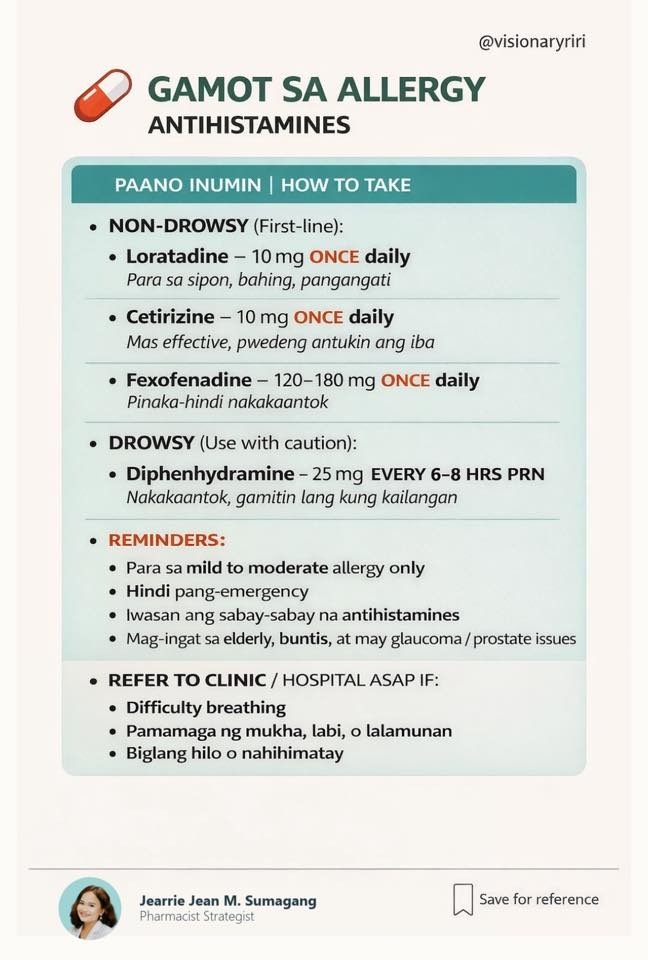
Case Study 01 — Antihistamines
Safety-based structuring for first-line allergy guidance.
Clinical Intent
Provide clear first-line recommendations while visibly defining boundaries for referral and contraindications.
Structural Risk
Over-the-counter antihistamines are often perceived as universally safe. Without hierarchy, patients may misinterpret severity or delay care.
Design Architecture
- 1. Non-drowsy first-line agents
- 2. Sedating agents (caution emphasis)
- 3. Red-flag referral indicators
- 4. Population-specific contraindications
Outcome
Structured clinical tiering improved safe medication selection, reduced inappropriate sedating use, and clarified escalation pathways for first-line allergy management.